


The rooftop of the world
Spring birding in the NW Plains of India, Kashmir Valley, and the Tibetan Plateau of Ladakh
May 20 - June 8, 2027
1 place filled as of May 15, 2026

What sets the tour apart ...
This trip visits some areas that are old favorites where tour companies visit every time, and some new birding areas in the Himalayas where few people visit. Apart from the staggering birds and wildlife encounters, we will experience some amazing scenery, eat the most delicious food, and be immersed in an ancient culture. And who doesn't want to see a tiger, a Wallcreeper, a Sarus Crane … and be amongst ancient monasteries and medieval villages on old trading routes. Times have changed, and few tourists get sick in India now. This really is a great introduction to Asian birding and the diverse Indian Subcontinent. We will see upwards of 400 bird species and for the first-time visitor to Asia, almost all will be new.
But what really sets this trip apart is the inclusive and fun atmosphere, and the guiding partnership between Holly and Steve. We take you to three unique areas of India with totally different scenery, foods, cultures, religions ...and of course birds and other wildlife.
Cost ...
We pass this 20-day tour along as close to cost as possible with two US guides, local guides and villagers used as spotters.
$6,500 USD per person based on double occupancy and a charge of of $1000 for single supplement if rooming alone. This is all inclusive and includes all local tips, two internal flights and obviously all food and transportation. While we do tip the guides, we encourage participants to add their support too as they work so hard every day.
Six people are required to make this trip go; eight is ideal.
What to expect ...
Relaxed birding is appropriate for all levels of birding experience from the newbies to experienced. While experienced birders will enjoy the endemic and unique birds found in these regions, accompaning non birders that appreciate wildlife and travel will fit right in too. What is super nice is that the birding is relatively easy with mostly open habitats. Expect short hikes on easy trails … Typically breakfast about 6am, on the road by 06.45, but occasionally earlier to beat the heat ... and bird until lunch. Lunch is in restaurants for an hour or so and then bird in the afternoon ... Depends on location, but most days we will be back by 6pm. Because there are two guides we can easily accommodate a slower pace and those who wish to spend more time taking photos. Also, expect great food. You may need to go on a diet before the trip.
There is a short internal flight from Delhi to Srinagar and another from Leh back to Delhi that we will take, and you will be accompanied at all times to help navigate the airport systems.
In the Plains of NW India you come face to face with the "real India". People will be very friendly and often want photos taken with you. Expect mountain roads and high passes with twists and turns in Ladakh. We will be covering a lot of distance here, but the scenery is majestic and we break up the travel with birding and cultural stops. The 3 safaris in Ranthambore are in open topped vehicles.
The Guides ...
You will be accompanied by two guides from "home". Both Steve Dougill and Holly Garrod have extensive field experience, a strong conservation ethic and have guided groups abroad. Holly works mostly in Central and South America and brings her fantastic birding skills, enthusiasm and slow birding styles to the partnership. Steve has a long history birding in India and bringing groups here. He brings energy and a lot of fun. In addition, we will be accompanied by a local park ranger in Ranthambore, and different local bird guides in Rajasthan, Kashmir and Ladakh who all speak English. We pay the guides well and tip them even better. Perhaps, the most important part of our team is the driver who navigates the crazy roads and keeps us safe.
Unlike other tours, we also employ local spotters in several places in Ladakh to help locate target mammals that can be hard to locate in the vast landscape. In addition, we use our connections in local villages to recieve word if a Snow Leopard is located at an accessible lower elevation area.
Cultural connections ...
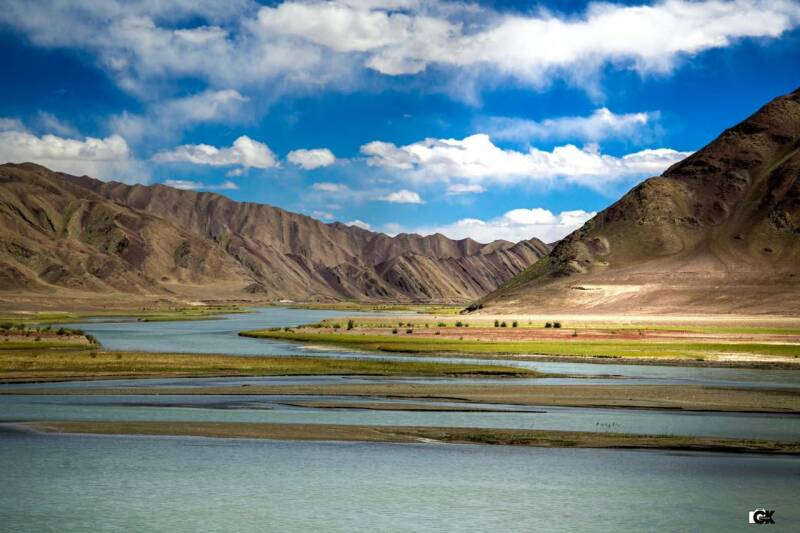
The Indian culture is so varied and it will be right in your face, especially as we travel through small rural villages. There are small Hindu temples to stop off at and visit, time to visit colorful markets, and a chance to see the Taj Mahal. In Kashmir we will be in a predominantly Muslim area and the call to prayers will be heard as we stay close to the floating city of Srinagar. Ladakh is known to be more Tibetan than modern day Tibet as there have been no changes brought on by invaders. Here there are monasteries and prayer flags covering bridges and windy passes.

Health and Safety ...
This tour travels to extremely safe areas. You will always be with one of the tour leaders but it is perfectly possible to visit a market or temple to have an authentic experience on your own.
It is hard to shake off the bad reputation India has for health concerns. This might have been true 10 or 20 years ago, but is no longer true. We visit tried and tested restaurants where filtered water is used to wash the food. We are in the dry season so water born diseases are rare. There is no malaria.
The most frequent ailment I see is the common cold. Delhi can have bad pollution in the winter months but is not so prevalent in the spring ... still, a face mask is advised and some cough drops for the evening we are there. A few people from each tour will get mild stomach issues. This is likely due to the change in diet rather than a more serious infection. Still, it is advisable to bring anti diarrhea medicine and have a prescription for an antibiotic like Cipro or z-pac.
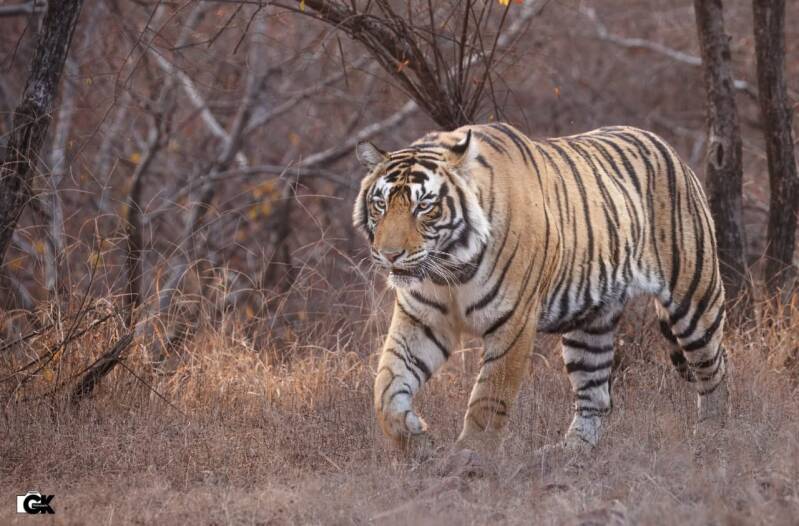
When on safari in Ranthambore, no one is allowed to leave the vehicle except at a designated area for a bathroom break. This is for your safety. We follow the instructions of our local guide and will safely see tigers at very close range.
Ladakh is high elevation. We spend a few days before, getting use to mid-elevations before driving up and over the Himalayas and onto the Tibetan Plateau. Supplemental oxygen will be on hand in the vehicles and in the lodges.
Hotels and food ...
All hotels / lodges are clean and comfortable with en suite western bathrooms. In the far distant areas of eastern Ladakh, the accommodation is more homestay-like as it is so remote.
You won't be disappointed by the food. We eat local but in the larger cities you will have western options. Typically, there are lots of options at each meal and we keep options for the heat levels to be mild.
Delhi near airport:
https://maps.app.goo.gl/8aohxaTSFU5b83cd7
Ranthambore:
https://maps.app.goo.gl/4YVxbHrBcvhnFzqJA
Bharatpur:
https://maps.app.goo.gl/iFfZdxd6xeECxWPm9
Daksum :- Paradise Hotel Daksum:
https://maps.app.goo.gl/bC9buEh4jcEpypUq9
Srinagar :- Alhamra Retreat Srinagar
https://maps.app.goo.gl/sg8RpYC7Qd2ADpt36
Kargil :- Hotel Chutuk Heights
https://maps.app.goo.gl/AGFcjFHr6METJcLN8
Ullay - Shapo Lodge
https://maps.app.goo.gl/iJrfB1JLGHDDp5CM8
Hanle - Homestay ( No resorts there) . Nice / neat and clean with an attached toilet ( But no running water ). Hot water is brought to shower and wash.
Tso Kar Eco resort
Nubra – Sand dune retreat
Sakti – Fana resort
Pangong Lake – Rangjun retreat
Weather and clothing ...
We will visit two very distinct areas where the weather will be quite different ... the plains of NW India are low elevation and it will be dry and hot in May. Expect temperatures to climb into the 90s in the middle of the day. Luckily, we will be carrying out the safaris in the early mornings and evenings and be resting in the middle part of the day.
When we arrive in tbe Kashmir valley you will immediately notice a difference. It will still be hot in the day time but will cool down at night, and as we climb up into the pine forests it will be very pleasant. In Ladakh we are at high elevation and it will be chilly at night with temperatures into the 60s during the day. We are surrounded by mountains and there is a chance of snow showers at any time! Here we need to be prepared with warmer clothes such as a wooly hat, gloves and a warm puffy jacket.
We are visiting both areas during the tourist shoulder seasons when the birding is fantastic and the number of visitors are far reduced.
Travel ...
Fly into and out of New Delhi, Indria Gandhi International Airport (DEL). There are many options from the US. I normally travel via Doha or another Middle East country to break up the journey or visit my dad in the UK. However, the current instability in the Middle East may make you think of alternative routes. No matter what, it is a long trip and with the time difference it will seem like almost two days, although on the return journey you will arrive on the same day you depart. We will arrange pickup from the airport at any time, even if it is 2am.
Typically people arrive a day early to recover and rest from the flight. We can easily arrange an extra night at the hotel.
India requires that you obtain a visa in advance. On signing up for the tour I will provide all the information you need but a month long tourist eVisa is a relatively painless application online and costs about $35 USD. It can only be applied for, no sooner than, one month before your arrival date.
Internal security at the airports is very strict and I will provide information on electronics in carry-on luggage and all the documents you require.
Other ...
You will need a travel adaptor to be able to charge your electronics in India
The Indian Rupee is the local currency and it is advisable to use the ATM at the Delhi airport to get money out. You can take out 10,000 IRP at one time but can repeat this again.
.
Itinerary ...
You will be met at Delhi International airport and transferred to the Ashok Country Resort, a 20 minute drive away. This is a comfortable place to relax a day or two after long flights and the grounds will introduce you to some of the more common birds of NW India such as Indian Gray Hornbill, Rufous Treepie, Rose-ringed Parakeet and the ever present Black Kites circling overhead.
New Delhi is a large, modern city with more than 24 million people. Since the 13th Century it has been the capital of two major empires and so abounds with historical sites, spice markets and souks. It would be easy to organize a day visiting the key areas before the official tour starts.
Day 1
The official start of the tour and we start early to miss the traffic. We leave Delhi and head south through the northern plains and have breakfast en route. Of course there is coffee and Chai. We will eat local food that is safe … Mansala dosas from South India; chola masala with puri; or western food.
We pass alongside the ancient Aravalli hills and small farms and arrive at our hotel (Ranthambore heritage Haveli) prior to lunch with ample time to settle in and relax before the first of three safaris in Ranthambore National Park.
Birding is fun around the hotel as there is open scrub and small wetlands. If you are patient, we will see the cryptic Painted Snipe and close by we have chances for Painted Sandgrouse.
In the afternoon we take a 4-hour safari through Ranthambore National Park, returning in the evening to relax.
Day 2
Ranthambore National Park, located in the state of Rajasthan, is world famous for its Royal Bengal Tigers. Its 10th Century fort stands guard over the hilly terrain, open dry forests and lakes. Initially a royal hunting forest, it came under the protection of Project Tiger in the early 70's when Tigers were rapidly going extinct. Machli is perhaps the most famous tiger in the world and although past now, she is related to more than fifty percent of the 80 tigers currently living in the protected area. She was made famous by the numerous films and her ability to hunt and catch mugger crocodiles.
We leave early in the morning for our second safari. Accompanied by a local guide and a sharp eyed driver, they have the local knowledge of where the animals are likely to be found and are full of stories and information. We are in open topped safari vehicles, but don't worry. We are not allowed to get down (except for a bathroom break stop) and Tigers have become accustomed to the safari vehicles so it is possible to see one up close … so close you can hear them breathe.
Each driving route is a little different and we will see Spotted and Sambar Deer, Gazelle, wild pigs, Mugger crocodile, various monkeys… maybe an Indian mongoose … maybe a monitor lizard. Nothing is guaranteed but this is the best place in India to encounter a Tiger and on my last visit the group saw 7 individuals. Sloth Bears and leopards are also possible but rarer.
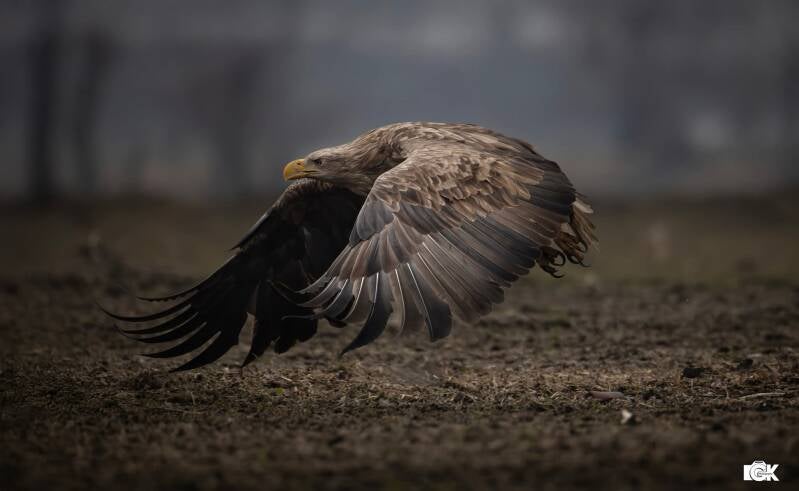
But it's not all about the Tigers. There are plenty of birds too. Typically we see more than 80 species with Gray Francolins common and the rare and colorful Painted Francolin a great find. Black-rumped Flamebacks will introduce us to the large assortment of Indian Woodpeckers and we need to keep eyes peeled to the sky for Crested Serpent Eagles and vultures such as Egyptian and Indian. Spot-breasted Fantails are common and are fun to watch as they dance along branches and flash white in their tail.
We retreat to the hotel for lunch as the temperatures climb and return for our third and last safari in the afternoon, leaving in the evening
Day 3
After a leisurely breakfast we leave by our bus to head to Bharatpur, to the north. The travel time is about 4-hours and we arrive for lunch at the historic Birders Inn Resort. After lunch we leave our bus behind and are picked up by rickshaws. It's only a five minute drive to the Keoladeo National Park entrance and from here we will drive slowly up the central track, jumping off to bird whenever we want… and this will be frequent, as there are a lot of birds.
This is one of the most famous birding sites in India and comprises scrub, small areas of gallery forest and extensive wetlands. There are no Tigers here, so it's safe to walk: Mammals are seen frequently including Spotted Deer, Nilgai, Jackal, Wild Pigs, macaques ..and occasionally wild cats. It's also a good place to see giant boas and a colony of fruit bats. But really, the birds rule.
Most of the ducks have left for northern breeding grounds but we are still in the migration window for Asian shorebirds. Indian Pittas and cuckoo have arrived and Common Hawk Cuckoos will be singing their insistent “brain fever” calls. Common Coucals are all over, different bulbuls and mynas. Huge Dusky Eagle Owls will be found nesting as well as smaller Spotted Owlets and Indian Scops Owls. There are two species of Jacanas. Swamp hens, Egrets, kingfishers, herons and storks ..and many raptors. It is a bird fes!
Day 4
We are back at Keoladeo National Park all day today to slowly work through the preserve. We will look for the giant Sarus Cranes and probably compile more than a hundred species today. It's always fun to come across the secretive Indian thick knees sheltering the daylight hours under a bush or an Indian Nightjar lying flat on a tree branch. We are introduced to the endemic White-checked Barbet and the more abundant and tiny Coppersmith Barbet. You will quickly realize that many of these birds are range restricted to the Indian Subcontinent. It's nice relaxed birding, and a great chance for bird photography.
Typically we take lunch in the park close to a small Shiva temple, but if too hot we will retreat to the hotel before an afternoon session.
Day 5
It's hard to escape the birds but today we focus on travel and culture. After breakfast we drive an hour and a half to the historic city of Agra and visit one of the seven wonders of the world; the iconic Taj Mahal. We will take on a local guide to accompany us and explain the history and cultural relevance. Time permitting we wander the back streets along the Yamuna River where funeral pyres and ghats are found way off the beaten track. By the afternoon we head back to Delhi via a market for souvenirs to the Ashok Country Resort.
Day 6
There is no need to spend long in Delhi and its heat. Today we take an early morning flight north to the Kashmir Valley and the city of Srinagar. We are in a totally different part of the country and you will see mosques alongside the Hindu and Seik temples. Part of the city “floats” on Dahl Lake. We check into the Alhamra Resort and then enjoy the cooler temperatures as we bird in the afternoon around the lake and the Shankaracharya Hill forest area. We are surrounded in the distance by the Pirpanjal mountains to the west and south and the massive Himalayas to the north and east. It's spectacular.
Day 7
We depart early for Daksum and have breakfast en route. Here we climb up into the Himalayas and the roads become twisty as we rise in elevation. We check into the Paradise Hotel and after lunch head up into the higher mountains and pine forests of Sinthan top at 12,000ft.
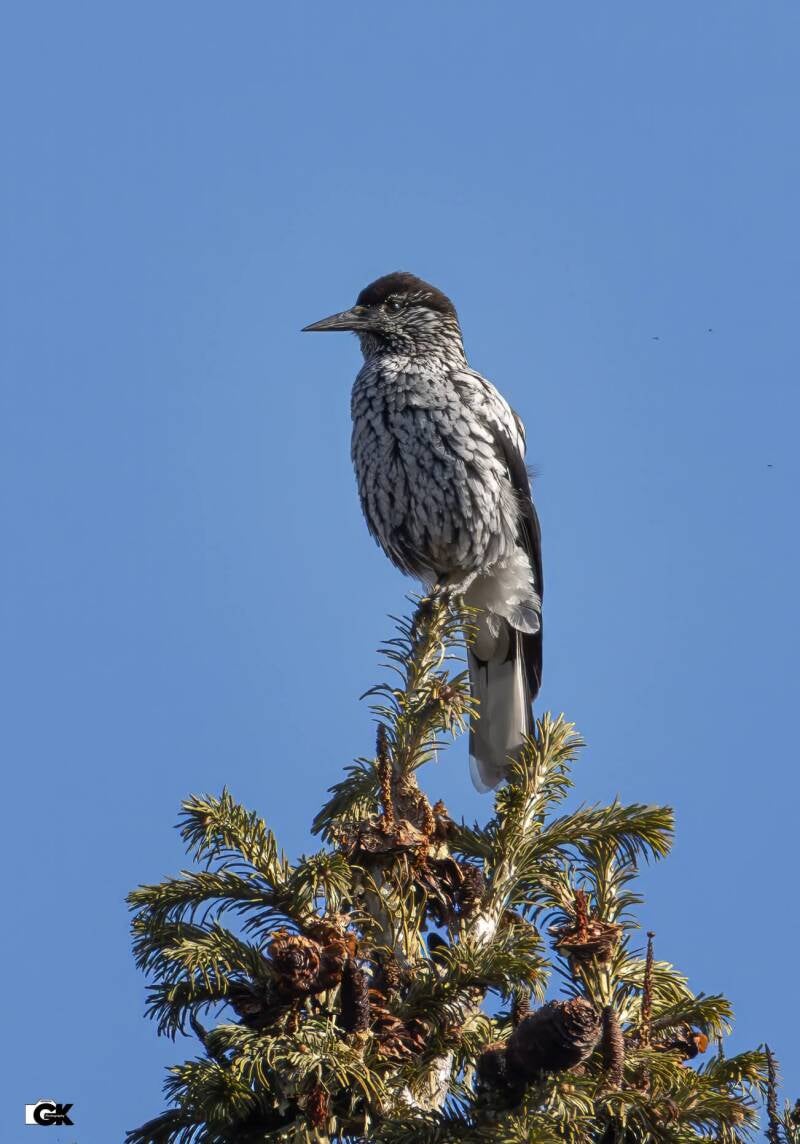
At the higher elevations we are likely to see Monal, mountain Finches, Rose Finches, Kashmir Nutcracker, choughs, accentors, tits and a whole variety of warblers…. At lower elevations, in the Pine Forests we find the strange Koklas pheasant, many Woodpecker species, white cheeked Nuthatch, Spotted forktail .. the list just goes on. We can find Himalayan Blue-tails and rubythroats … It really is fantastic birding.
For those super keep birders there will be a chance to look for Owls in the early evening where Tawny Owl and Collared Owlet are possible.
Day 8
In the morning we bird in similar areas across the elevational gradient looking for species we missed earlier. Difficult to see bush robins and thrushes, Kashmir Nuthatch, laughing thrushes, and redstarts, and brown dippers along the mountain streams … lots of raptors too including the bearded and Himalayan griffon vultures.
After lunch we head back to Srinagar and then Alhamra hotel. Depending on the reports from the guides we may stay here for an additional day instead of the scheduled day 9 below.
Day 9
We make a day excursion to Gulmarg into the pine forests to the west of Srinagar. Expect similar species, but we will always be finding new birds. We are hoping for the rare Orange bullfinch, endemic to this small part of the Himalayas. Birds often join feeding flocks and after finding one, we stay with it to identify as many as 15 or 20 accompanying species!
Day 10
Hold on .. today we drive to Kargil, stopping for birding en route. The scenery is spectacular as we climb in elevation to almost 9,000ft and the Chutuk Heights hotel. In the sub alpine scrub we look for one of the rarest birds in the world: the long billed bush warbler. It would have been possible to fly directly from Srinagar to Leh but we want to experience the spectacular scenery, small mountain villages and have a chance to bird along the way in this remote region. Very few birders cone here!
Day 11
Mostly a travel day with birding stops along the way. We cross the Zogi La Pass at 11,500ft and cross over the Himalayan mountains and onto the Tibetan Plateau. Things change. We are in the domain of Buddhist and monasteries .. prayer flags draped over trees and bridges. We end up in the city of Leh at the Tsokar Resort. At a similar elevation to the previous pass we are surrounded by massive mountains that rise up above us.
Day 12
We stay in the Indus Valley close to Leh and bird at some close locations such as the Chushot Marshes and Shey and the afternoon around the Spituk marshes. The habitat is very open and wild so it's easy to break off and visit a couple of ancient monasteries.
One of the most sought after birds of the trip will be quickly found, the stunning Ibisbill .. the odd shorebird that breeds on gravel bars in the fast flowing rivers here. Fire fronted serins are common in the weedy fields .. and we will see Mountain chiffchaff, Eurasian Magpies, Hobby and the beautiful hill pigeons. This is a very under-birded area and many rare migrants have turned up. Who knows what we will find!
Day 13
Another exciting day surrounded by mountains. We travel across Khardung La (5,377 m) to Nubra Valley and visit the Diskit Monastery and Hunder Sand Dunes. Continue to Agyam village for birding and stay at the Sand Dune resort in Nubra.
The rocky pass is great for Himalayan and Tibetan Snowcocks, Brown and Robin accentor, and snowfinches. We will get good views of white winged redstarts. This area is famous for the Eurasian Lynx and we will have two local spotters with us to give us up to date information.
Perhaps the most sought after species in Ladakh is not a bird; the Snow Leopard. The best time to see them is during the frigid winter months. In the summer, they go up in elevation to rocky regions away from road access. Occasionally an older animal is found lower down. We will activate trackers in several villages who will notify us if an animal is found. Obviously, we will adapt the schedule to accommodate a sighting and up to date information. It's a slim chance but we will use our connections in the local villages to give us the best opportunity of a slim chance!
Many of the birds here are similar to other locations in Ladakh which gives us the best opportunity to catch up with them. Here we look for the pastel colored white-browed tit warbler, the twite and two owls: the giant Eurasian eagle owl and the much smaller Little Owl. We are always on the look out for the Wallcreeper!
Day 14
Drive to Sakti via Wari La Pass (5,330 m), known for its rich high-altitude biodiversity. We stay at the Fani Resort in Sakti.
At the higher elevations close to the pass we can find our second species of Dipper; the white throated Dipper. We should find western house martins and Eurasian skylarks and if we are lucky Red fronted Rosefinch. Bearded vultures and Upland buzzards are seen in the area hunting over this barren landscape. We will also look out for Eurasian Crag Martin.
Day 15
Travel to Pangong Lake via Chang La, passing through Durbook, Tangtse, Lukung, Spangmik, and Maan villages. We stay at the Rangjun retreat.
Amongst the backdrop of the huge mountains and the crystal clear blue lake we find some key species that nest in this high elevation desert: Tibetan Sand plover, bar headed goose, and desert Wheatear. We should find Rosy pipits in their rosy summer plumage, always a treat. We should also be on the lookout for Tibetan Partridge and Black- necked Cranes.
Day 16
We keep heading SE to the small village on Hanle and stay at the Padma homestay.
We will spend two nights in this important wetlands and explore the neighboring Plateau. The mammals here are amazing and we have good chances to see Tibetan wolf, Tibetan Gazelle, sand fox, and pallas's cat.
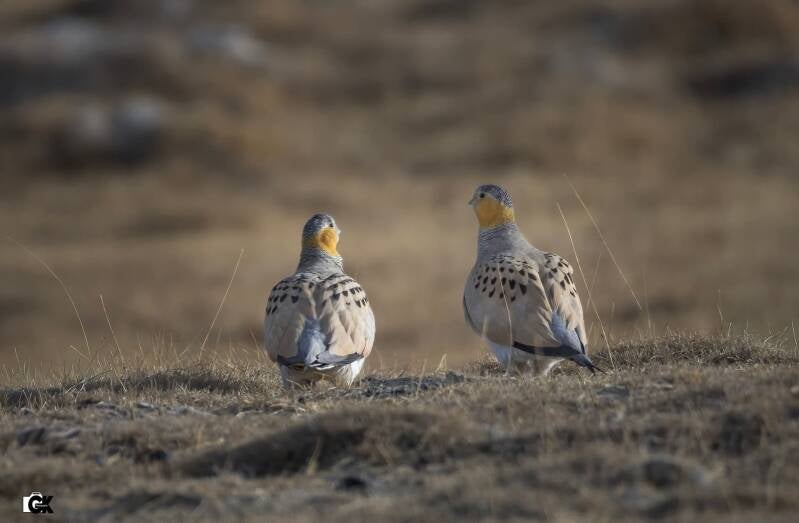
Here we find some of the very unique and special birds of the area: Tibetan Sandgrouse and Tibetan Partridge, Mongolian and humes finches .. and the ground tit which is a real character. In the marshy wetlands we will find breeding Solitary Snipe and black necked cranes.
Day 17
We stay the full day in the Hanle Basin checking out the unique area..
Day 18
We travel to Tso Kar Lake and stay at the Tso Kar Eco resort.
This is another famous lake and wetlands. In the surrounding areas we will look for great and Blandford's rosefinch.
Day 19
Morning birding at Tso Kar, followed by return to Leh via Tanglang La and Rumtse Valley. Stay at the Tsokar retreat.
Day 20
Unfortunately the tour is over. We fly out of Leh in the morning to Delhi. We transfer to the hotel Ashok Country Resort close to the airport, or stay at the airport for our flight home.
Create Your Own Website With Webador